
Key Takeaways
- Plaster drying times in Scotland vary based on a number of factors, including type, thickness, and local climate. Most standard plaster takes two to three days to dry under optimum conditions.
- Scottish weather, particularly damp and cold winters, can significantly slow drying times. You should plan your plastering around seasonal and regional differences.
- Good ventilation, gentle heat and dehumidifiers can all help speed drying, but avoid cranking up the heat or completely sealing rooms.
- Historical buildings built with older materials need breathable plasters such as lime and serious moisture management to retain structural soundness.
- Plaster will always dry lighter in hue, firmer in texture and with a much more uniform appearance.
- Following best practices and catering to Scotland’s distinctive environment ensures a long-lasting, high-quality plaster finish for any property.
Plaster in Scotland often takes about four to seven days to dry, but the time can change with local weather and room warmth. Wet, cold or humid air in Scottish houses can be much slower at setting plaster, taking as long as ten days in winter or in poorly ventilated rooms. Scotland’s builders and decorators sometimes use dehumidifiers or open windows to speed drying, but rushing the process can result in cracks or loose plaster. The next sections of this guide discuss the primary factors impacting plaster drying in Scotland, along with some hints for achieving the best finish for each job.
Plaster Drying Times in Scotland
What affects plaster drying in Scotland? Under ideal conditions, plaster dries in two to three days, but Scottish conditions can prolong this timeline. On solid backgrounds like cement render, anticipate five to six days or more. Factors such as thicker coats, cooler rooms, or humid conditions can extend drying times up to a couple of weeks.
1. Skim Coats
A usual skim dries out in 24 to 48 hours if the room is warm — ideally 15 to 21 degrees. Under ideal conditions, drying on plasterboard can be completed in 3 to 5 days, as the backing absorbs less moisture. Thickness counts; putting on the knuckle-duster sets the drying back, making the plastering job take longer. Keep layers thin to avoid issues like flaking or peeling if paint or a mist coat is applied before it’s dry.
2. Backing Plaster
Backing plaster frequently takes three to seven days to dry, with longer periods possible if applied thick. Regardless of the method, good mixing is essential for uniform drying; poorly mixed plaster can lead to brittleness and surface cracking, indicating that it is drying too quickly or unevenly. To achieve ideal conditions, crack open a window or use a dehumidifier, but don't rush the process. Good airflow is crucial for a successful plastering job.
3. Lime Plaster
Lime plaster takes its own sweet time to dry, sometimes taking weeks to cure properly, especially under home conditions in Scotland. It’s more responsive to excess damp and cold, so expect slow progress, particularly in winter. The natural way, letting it breathe, keeps walls strong and healthy, ensuring quality results.
4. Seasonal Timelines
Winter can add one to two extra days to the dry time of plaster, especially due to high humidity and low temperatures, which are significant factors for a successful plastering job. In contrast, summer is ideal for speedy drying, as heat and air movement facilitate moisture escape. Always check the forecast and adapt plans, as a sudden cold snap could hinder progress and affect the quality of finished surfaces.
5. Regional Variations
Coastal Scotland is generally more humid, which retains damp for longer, whereas inland areas experience a speedy dry time. Urban spaces typically have better airflow than rural cottages, where breezes may be minimal, affecting the plastering job. Local building traditions, such as traditional lime plaster, come into play, as stone walls and thick renders typically dry slower.
Why Scotland is Different
Scotland is more than just deep lochs, proud traditions, and iconic castles. Its distinctive climate and geography present genuine challenges for any professional plastering service. The reliably wet atmosphere, coupled with several factors like the country’s harsh terrain and the building materials in use, makes the dry time for plaster much more variable here than elsewhere in the UK. Local weather conditions, particularly heavy rain and wind, complicate the plastering operation.
The Damp Air
Scotland is notorious for its wet weather, with high humidity lingering for days or weeks at a time. It’s not uncommon to have humidity levels above 70%, which makes it very difficult for plaster to cure evenly. It’s worth checking the local humidity, which you can do with a basic digital monitor or local forecasts. If the inside feels clammy, a moisture metre will help you identify exactly how much water is actually hanging around.
Ways to counteract the damp include dehumidifiers and keeping a window cracked open, come rain or shine. In old stone cottages or new city flats, the moist air slows everything down, just as extra care is required.
Building Materials
Most Scottish houses and tenements until the 20th century were built from stone, lime mortar and solid walls. These materials absorb moisture greedily, making it more difficult for plaster to cure and dry. Modern builds use more insulated materials such as plasterboard or lightweight brick, which let moisture out more quickly.
It’s critical that you match the plaster type to the wall, particularly in listed buildings or period properties. Lime plaster on stone allows for breathing walls, which is crucial in Scotland’s climate. Modern gypsum on old stone can create a damp trap and perpetuate problems.
Poor Ventilation
A lot of Scottish homes are designed to exclude chilling winds and rain. This can result in indoor spaces being clingy and humid. If the wind wasn’t blowing, plaster took ages to dry. Opening windows and doors, even just a crack for a few minutes at a time, creates a cross-breeze that removes dank air.
Fans can be handy, particularly for bigger rooms or difficult to reach areas behind radiators or in corners. Don’t seal up a room too much though. You want to let moisture out but not too much cold in.
Central Heating
Central heating is a fixture in most Scottish households, given the long, sodden winters. Setting the thermostat to around 18 to 21 degrees Celsius helps plaster to dry evenly. It’s tempting to crank the dial, but excessive heat will cause your plaster to crack or dry inconsistently.
Monitor the temperature with a basic room thermometer. Constant moderate warmth is better than intermittent heat. This helps to prevent slow drying and surface damage.
Judging Dryness
In Scotland, where cooler, damper climate conditions prevail, slower drying is the norm for plaster. Several factors influence how long it takes for plaster to dry, including temperature and humidity. A number of tests can determine if the plaster is set, with color, weight, and texture providing insights. Rushing the process risks finish problems, so take your time to ensure quality results.
Colour Change
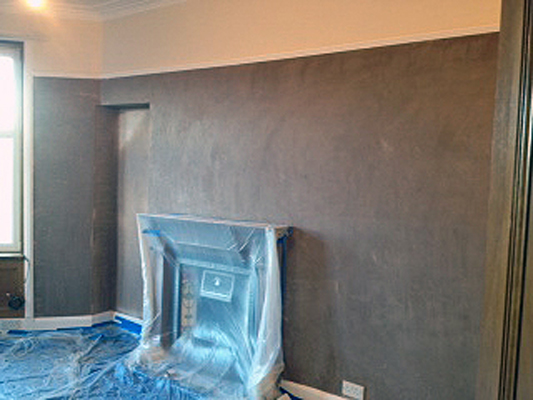
New plaster goes on dark and wet-looking, but it dries to a pale chalky tone, a key indicator of the plaster drying process. Most standard plasters take a week to dry, but under cold damp conditions or without central heating, the dry time can extend to two weeks or more. Some waterproof plasters offer a speedy drying option, often appearing different due to their polymer content, which can obscure the shade change. If you’ve dyed plaster, be cautious as some pigments may alter your perception. Observing the color daily allows you to identify patches drying slower, especially in corners or thicker areas, which is particularly relevant during a Scottish winter.
The Touch Test
Touch gently with the back of your hand to check if the plaster is dry. Dry plaster is cool to the touch but not cold or sodden. If it’s still tacky or leaves a print behind, more time is required for the plaster to dry. When in doubt, leave a day or two, especially considering the factors affecting dry time. Decorating too soon can lead to issues like bubbled or peeling paint, particularly in humid weather. For the best results, mix this together with your color check for the ultimate finish.
Uniformity
Examine the entire wall or ceiling closely. Dry plaster is uniform, with no shiny or dark areas. If you see patchy areas or notice any softer sections, those bits are probably still wet underneath. It is usual for that to happen if the plaster is thick or the room is poorly ventilated. To prevent patchy drying, ensure that the plastering job is applied in a thin, even coat and open a window if possible. Dealing in advance with any patchiness ensures your finish holds up and stops paint from flaking further down the line, contributing to the success of your home renovation.
How to Speed Up Drying
Drying plaster in Scotland can be a lengthy process due to the damp and cold conditions, which significantly affect the plaster drying time. To achieve quality results and speed up your plastering job, consider maintaining a warm room and ensuring good airflow. Applying thin coats and selecting the right plaster for the job are essential tips. Always keep the temperature between 15-21°C, as this is crucial for ideal conditions for plaster drying.
Gentle Heat
To ensure a successful plastering job, low-level heaters will help maintain a consistent temperature in the room. Avoid using direct heat sources, which can lead to cracks as the plaster dries too quickly. Instead, infrared heat lamps provide consistent warmth without burning the plaster or the room. When using portable heaters, place them at a distance and avoid full power. A thermometer is essential to monitor the temperature, ensuring you stay within ideal conditions. Polymer-modified plaster is an excellent option for those needing speedy results, as it sets rapidly without requiring additional heat.
Good Airflow
To ensure quality results in your plastering job, open windows and doors to let air circulate effectively. Fans should be positioned to blow across the plastery surface, helping moisture escape and maintaining ideal conditions for plaster drying. A steady airflow is crucial to avoid cold spots where dampness can linger. Given Scotland’s unpredictable weather, it’s essential to monitor room ventilation closely. An unexpected temperature drop or spike in humidity can significantly affect the dry time of your plaster, so if condensation appears on window panes, adjust your fans or open another window to promote airflow.
Dehumidifiers
Dehumidifiers make a huge difference to plaster drying times by removing excess moisture from the air and keeping humidity down. Use the dehumidifier on a mid-range to prevent over-drying, which can cause brittleness or shrink the plaster too quickly. Pair dehumidifiers with airflow by running fans concurrently. Monitor humidity with a meter and adjust as necessary. Waterproof plaster can accelerate drying, sometimes taking only two to three days under ideal conditions.
Plastering Historic Scottish Buildings
Working with historic Scottish buildings involves techniques and materials appropriate to the building’s age and character. These buildings tend to have thick stone walls and were constructed using lime products, not contemporary gypsum. The correct treatment preserves the building’s appearance and prolongs its life. Comparing the more traditional and modern materials is useful to distinguish differences in breathability, flexibility and drying time.
| Feature | Traditional (Lime Plaster) | Modern (Gypsum Plaster) |
|---|---|---|
| Breathability | High | Low |
| Flexibility | Good | Poor |
| Drying Time | Slow (weeks) | Fast (days) |
| Suitability | Heritage buildings | New build/repairs |
| Carbonation | Yes | No |
Traditional materials are vital for listed and heritage properties because they allow the walls to “breathe” and move with the building, preventing cracking and long-term damp problems. Plastering methods adapt to the ancient stonework, frequently requiring multiple coats and long drying sessions. For listed buildings, there are stringent regulations and meticulous records are required so that any intervention can be tracked.
Breathability
Breathable materials are critical for historic buildings. Lime plaster allows moisture to evaporate, preventing damp accumulation that destroys stone and timber. Applying non-breathable finishes, such as cement or gypsum, can trap moisture within walls. This frequently results in salt blooms, flaking and even structural decay in the long term. Lime-based plasters maintain the building’s wellbeing by collaborating with Scotland’s moody, damp weather.
Conservation guidelines emphasise the use of lime plasters and avoiding barriers that trap moisture. Keeping with those standards preserves historic buildings for the future.
Stone Walls
Evaluating stone walls comes first. If the surface is powdery and crumbly it may need repairs before plastering. A bonding agent, typically a slurry of lime and sand, assists the new plaster’s adhesion to old stone. Stone retains heat and cold, which can inhibit drying, particularly in thick walls or in winter.
Plaster selection should be appropriate to the building’s age. Lime is suitable for most historic buildings. Drying times extend in cool, damp Scottish winters, with thick coats sometimes taking two weeks or longer.
Listed Buildings
With strict guidelines for listed buildings, careful planning and documentation are required. Only traditional materials and techniques are allowed and every project has to be documented.
Conservation specialists should be involved in the project to ensure work complies with regulations and preserves the building’s distinctive character. This is time-consuming and saves the building’s value and history.
Common Drying Mistakes
Drying plaster in Scotland involves several factors, as the temperature, room conditions, and materials all influence how well your plaster dries. By avoiding common drying mistakes, you can ensure quality results and save time on your plastering job.
- Using aggressive heat sources like fan heaters or blowers.
- Painting or wallpapering before plaster is fully dry.
- Sealing rooms off, blocking proper ventilation.
- Relying on sunlight to speed up drying.
- Applying vinyl or silk paints too soon.
- Not monitoring humidity and temperature in winter.
- Overlooking mould risk from trapped moisture.
Rushing to Paint
Painting damp plaster is a common error that can lead to a lot of issues. Even when it feels touch-dry, moisture could still be lurking. Painting too early, particularly with vinyl or silk, can seal in moisture, causing it to peel or bubble. This can damage both the paint and the cement behind. Patience is key, as most plastering jobs require a minimum of 5 to 7 days under ideal conditions, though damp Scottish winters may mean a longer wait. Walls need to be completely dry before you decorate, whether that is painting or wallpapering. Planning your timetable around plaster dry time ensures a professional, long-lasting finish.
Aggressive Heating
Cranking up the heat with direct fan heaters or radiators on full bore won’t help things either. Instead, plaster will dry inconsistently, resulting in cracks or fine lines on the surface. In the winter, you may want to turn the room temperature up, but it’s best to keep it between 16°C and 20°C. Soft, indirect heat promotes a gradual, even cure, vital for an even surface. Direct sun on new walls is dangerous as it cures the outer skin too quickly, often leading to crazing.
If you have to apply heat, watch the plaster like a hawk. The signs of quick drying are curling edges or visible cracks. Resist the urge to crank up heat sources in winter to try and speed up the drying process.
Sealing the Room
Cosing off rooms is another common error that can affect the plastering job. Stagnant air occurs when doors and windows are kept closed, as moisture has nowhere to go and can linger in the plaster, encouraging mould or mildew. To ensure quality results, you need good airflow, particularly in Scotland’s damp climate. Employing fans to channel air, rather than entirely blocking it, is essential. A slightly open window helps facilitate air exchange without losing all the heat, which is crucial for the plaster to dry properly.
Conclusion
Drying plaster in Scotland can take considerably longer than down south. Cold and damp air and heavy stone walls slow things down. People in Glasgow or Inverness know the score – wait a week, sometimes more. Rushing it merely results in cracks and waste of effort. Old buildings take extra TLC. Use a heater, open windows a crack, or run a dehumidifier to speed things up. Watch the colour and feeling; chalky, pale and not cold to the touch means you’re golden. Have a tricky area or old stone? Share the area and ask a local pro for their take! Share your tips or woes below – Scottish weather keeps us on our toes!
Frequently Asked Questions
How long does plaster usually take to dry in Scotland?
Plaster in Scotland typically takes 5 to 7 days to dry under ideal conditions, but damp or cold weather can extend this to up to two weeks, affecting the plastering job.
Does Scotland’s climate affect plaster drying times?
Scotland’s cool, damp climate affects how quickly plaster dries. Cold temperatures and high humidity can prolong the dry time for walls, leading to a waiting game.
How can I tell if my plaster is fully dry?
What does dry plaster look like? It ought to feel cool, not cold or damp, indicating ideal conditions for a successful plastering job.
Can I speed up plaster drying in Scotland?
Increase ventilation by opening windows and using fans to ensure ideal conditions for plastering. Avoid direct heat or dehumidifiers to prevent brittleness and ensure quality results.
Is drying plaster in older Scottish buildings different?
Indeed, older buildings frequently have solid stone walls which retain damp, leading to a longer dry time for plastering jobs. Care must be taken not to damage older materials.
What’s the risk of decorating before plaster is dry?
Painting or wallpapering before plaster dries can trap moisture, leading to issues like peeling or mould. Always allow plaster to dry thoroughly for quality results.
Should I use a moisture meter for plaster in Scotland?
Sure, a moisture meter gives an accurate reading, particularly in Scotland's dank climate. This will help ensure that plaster dries completely, achieving quality results before you decorate.